Meet the mindsbehind medikan.

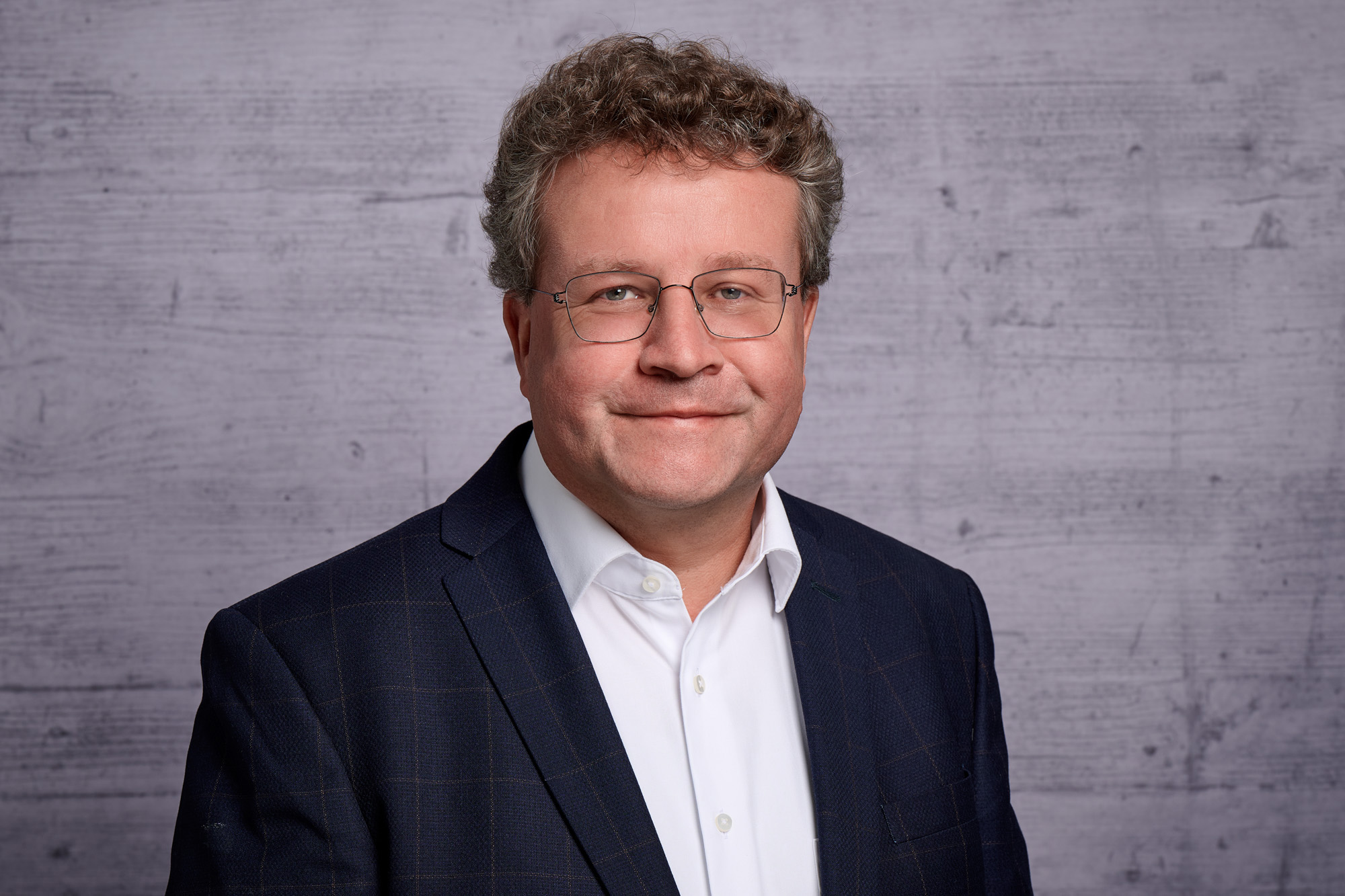
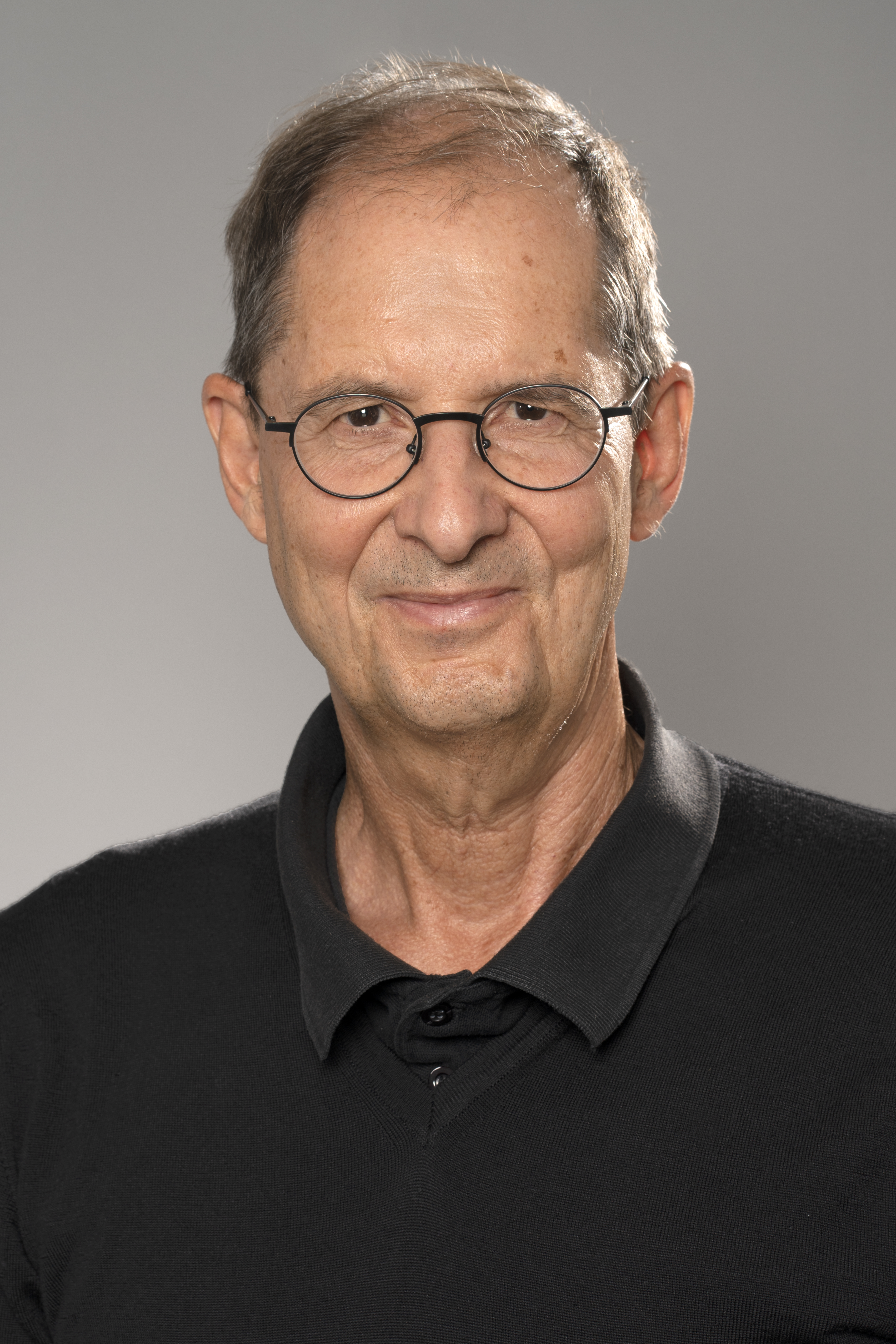
Portrait of Dr. Rolf Kaufmann

Dr. Rolf Kaufmann

Physicist and medical device expert. Takes clinical AI from prototype to CE and FDA approval.

Dr. Rolf Kaufmann

PhD, CPhys

Dr. Rolf Kaufmann is a physicist and medical technology expert with over two decades of experience spanning academic research, industrial R&D, and regulatory affairs in the medical device sector. He currently serves as a full-time lecturer for physics and medical device regulations at ZHAW's School of Engineering, within the Institute of Applied Mathematics and Physics' Centre for Safety Critical Systems.

Rolf built his scientific foundation with a PhD in particle physics, conducted at the Paul Scherrer Institute and CERN, where he contributed to the development of radiation-hard tracking detectors for the CMS experiment. He went on to hold progressively senior roles at CSEM Zurich and Empa Dübendorf, leading teams in X-ray and optical imaging, sensor development, and 3D image processing, and earning the Swiss Technology Award in 2004 for a novel 3D camera.

Over the past decade, his focus has shifted increasingly toward medical device regulatory affairs. As Senior Medical Device Expert at Effectum Medical AG, he developed regulatory strategies for CE and FDA approvals, guided start-ups through notified body audits, and authored technical documentation and SOPs across multiple products and companies. He was an active member of the IEC technical committee TC 62B on medical equipment, software, and systems, and combines this regulatory expertise with hands-on coaching, serving as a start-up mentor for the Tenity digital health accelerator and as an Innosuisse coach for MedTech companies.

Alongside his industry work, Rolf has a strong record in teaching, having previously lectured on medical device certification at the University of Basel's Department of Biomedical Engineering. He holds seven patent applications and is a Chartered Physicist of the Institute of Physics (London).

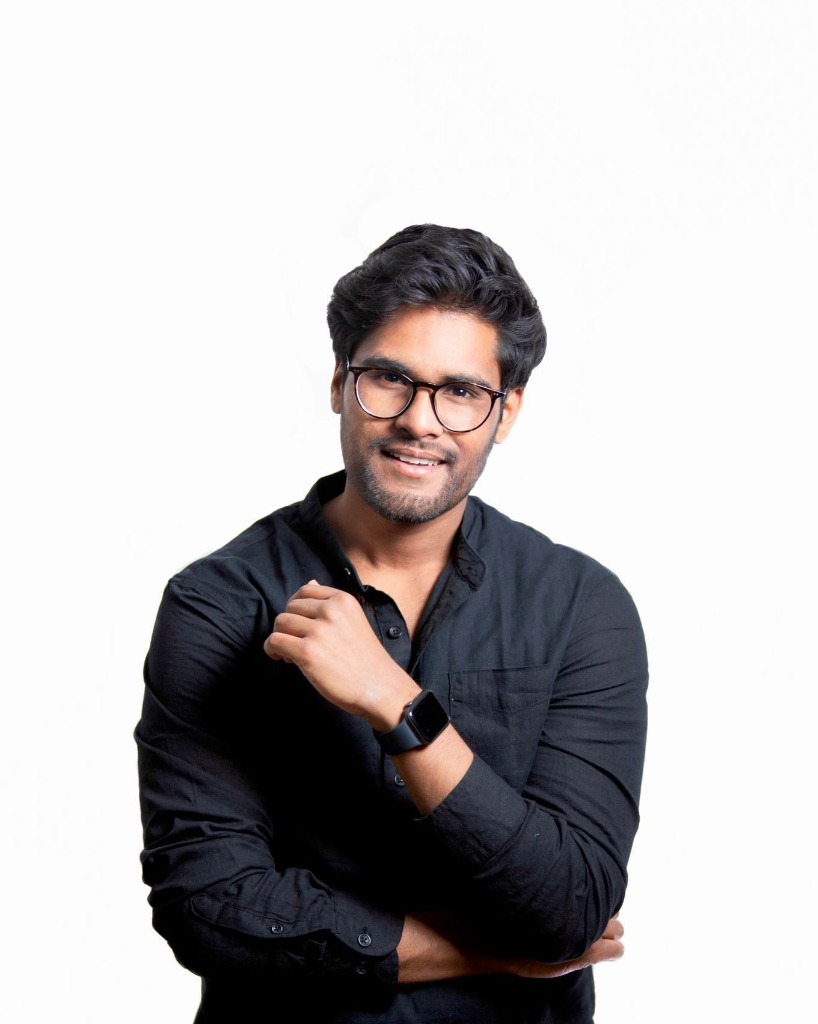
Portrait of Jenestin Anthonipillai

Jenestin Anthonipillai

Doctoral researcher in AI and Biomedical Engineering at ETH Zurich. Reimagining medicine through AI-driven cancer research to advance precision medicine and deliver more personalized care for every patient.

Jenestin Anthonipillai

Jenestin Anthonipillai is a doctoral researcher at ETH Zurich, working at the intersection of artificial intelligence, biomedical engineering, and cancer research. He holds a Master's degree in Computer Science and focuses on developing multimodal AI systems that integrate clinical data, medical imaging, and advanced machine learning to improve cancer prognosis, treatment planning, and clinical decision-making. His research bridges computational innovation with clinical oncology, with a particular focus on precision medicine and improving patient outcomes.

Before pursuing his doctoral research, Jenestin gained several years of industry experience as a Senior AI Architect at Julius Baer and AXA. His expertise spans enterprise architecture, cloud engineering, the architectural design of authentication and authorization systems for large-scale enterprises, and the development of AI agents for complex enterprise environments. At AXA, he worked closely with the Chief Technology Officer, receiving direct mentorship while contributing to enterprise technology strategy and architectural initiatives.

Beyond academia and industry, Jenestin co-founded ETHack, an initiative that brings together 100 students and researchers from across the ETH Domain to tackle real-world challenges through interdisciplinary collaboration. Its inaugural track was organized in collaboration with Citadel, a global hedge fund. He was also selected as a Leader of Tomorrow at the St. Gallen Symposium, where he engaged with international business leaders, including André Hoffmann, Vice-Chairman of Roche.

Jenestin's entrepreneurial journey also includes Medikan, whose origins trace back to EPFL, where he received the institution's highest grant award during his Master's studies. Building on this early recognition, Medikan brings together expertise in artificial intelligence, clinical medicine, and engineering to advance the application of AI in healthcare.

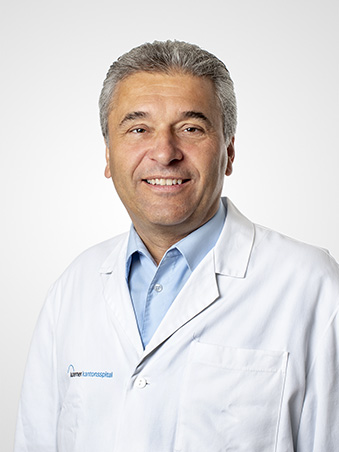
Portrait of Prof. Dr. Dr. med Bruno Fuchs

Prof. Dr. Dr. med Bruno Fuchs

Sarcoma surgeon and physician-scientist. Founded the Swiss Sarcoma Network to turn real-world data into better, value-based care.

Prof. Dr. Dr. med Bruno Fuchs

Prof., MD, PhD

Prof. Bruno Fuchs, MD, PhD, is a Swiss sarcoma surgeon and physician-scientist whose work spans complex clinical care, translational research, and data-enabled improvement of sarcoma services. He studied medicine at the University of Zurich and completed his orthopedic training at the Universities of Zurich, Bern, and Lausanne. He subsequently undertook the two-year Ivins Orthopedic Oncology Fellowship at Mayo Clinic in Rochester, Minnesota, where he became an Assistant Professor and earned a PhD in Molecular Tumor Biology.

After returning to Switzerland, Prof. Fuchs established a clinical and translational sarcoma program. His research initially focused on the molecular mechanisms of osteosarcoma metastasis and now extends to longitudinal real-world data, metastatic disease trajectories, and clinically applicable outcome prediction. He is Professor of Sarcoma Surgery and provides specialist care at LUKS University Teaching Hospital and Kantonsspital Winterthur, with a clinical focus on complex resections and reconstructions of bone and soft-tissue sarcomas.

Prof. Fuchs founded and chairs the Swiss Sarcoma Network, a multi-institutional initiative for quality-assured sarcoma care. The network combines prospective real-world data with quality indicators, benchmarking, and patient-reported outcomes. His current work includes the development of SHAPEHub, an interoperable clinical-intelligence platform designed to connect clinical data, outcomes, and costs across the care pathway. The aim is to support continuous learning, predictive outcome analytics, and value-based precision sarcoma care, while providing a clinically grounded basis for future digital-twin approaches.

He also founded the Sarcoma Academy, an international educational platform for multidisciplinary webinars and case discussions.

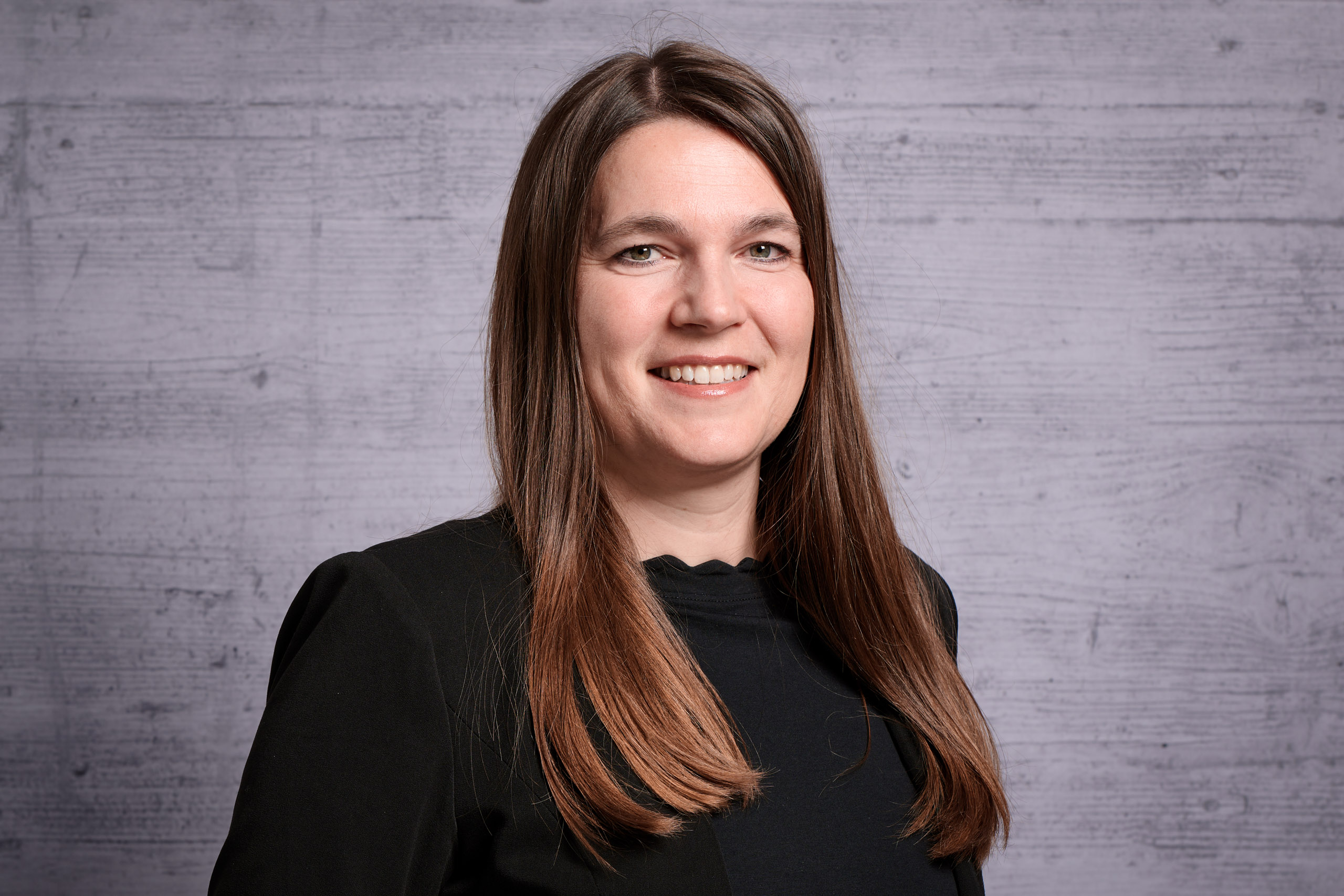
Portrait of Prof. Dr. Monika Reif

Prof. Dr. Monika Reif

Advances trustworthy AI and safety-critical systems in medicine, mobility, and robotics. Honoured with the prestigious VDI Ring of Honour and named among Switzerland’s Top 100+ Women in AI & Data (2025).

Prof. Dr. Monika Reif

Prof., PhD

Prof. Dr. Monika Reif is Professor of Safety-Critical Systems at the Zurich University of Applied Sciences (ZHAW), within the Institute of Applied Mathematics and Physics, where she heads the Safety-Critical Systems Research Lab. She leads research on the design, development, and verification of complex socio-technical systems for safety-critical applications. Her work focuses on the safe and trustworthy integration of artificial intelligence into safety-critical systems, combining advanced AI methodologies with innovative verification and validation approaches to enable certifiable, standards-compliant intelligent technologies.

Her research spans key application domains, including mobility, robotics, and medical systems, and is embedded in national and European research projects. Before entering academia, she gained extensive industrial experience in safety engineering at BMW Group and Bombardier Transportation (now part of Alstom). At BMW, she worked as a Functional Safety Engineer for Vehicle Dynamics, specializing in the functional safety of critical automotive technologies, particularly braking systems, Dynamic Stability Control (DSC), Electronic Stability Programs (ESP), and intelligent four-wheel-drive systems such as BMW xDrive. Her work focused on ensuring the safety and reliability of complex, electronically controlled vehicle dynamics systems. She holds a PhD in Reliability Engineering and a degree in Mechanical Engineering, with a specialization in Biomedical and Microsystems Engineering.

Her achievements have been recognized through several distinctions, including the prestigious VDI Ring of Honour, one of Germany's highest distinctions for outstanding young engineering professionals. In 2025, she was named among the Top 100+ Women in AI & Data – Switzerland, recognizing her contributions to artificial intelligence, safety engineering, and trustworthy technology.

Portrait of Prof. Dr. Stephan Bodis

Prof. Dr. Stephan Bodis

Radiation oncologist and cancer biologist. Three decades of bringing combined cancer therapies from the lab into the clinic.

Prof. Dr. Stephan Bodis

Prof., MD

For more than three decades, Prof. Dr. Stephan Bodis has worked at the intersection of radiation oncology, cancer biology, and therapeutic innovation. His medical and scientific career has taken him from Switzerland to Institut Gustave Roussy in Paris and later to Boston, where he trained in radiation oncology at Harvard Medical School and conducted cancer research at Dana-Farber Cancer Institute and the Massachusetts Institute of Technology.

From 2004 to 2021, Prof. Bodis served as Chief Radiation Oncologist and Head of the Radiation Oncology Centre at Kantonsspital Aarau and Kantonsspital Baden, while also holding a senior clinical position at University Hospital Zurich. He became Full Professor at the University of Zurich in 2012 and has additionally taught at ETH Zurich.

His research focuses on multimodal cancer treatment, particularly the integration of radiotherapy with hyperthermia, systemic therapies, and proton therapy. His work bridges radiation biology, translational research, and clinical application across a broad range of cancers, including sarcoma, pancreatic, bladder, breast, prostate, and head-and-neck cancers. A major focus of his career has been advancing oncologic hyperthermia and thermoradiotherapy from biological principles to clinical implementation.

Beyond his clinical and academic work, Prof. Bodis has held numerous leadership positions in national and international oncology. He is President of the IT'IS Foundation Board and has served as President of the international Thermotherapy Leadership Council, alongside leadership roles within NRG Oncology/RTOG, EORTC, ESTRO, SAKK, and the Swiss Association of Scientific Radiation Oncology. His career combines clinical oncology, translational science, and therapeutic technology with a long-standing focus on improving how cancer treatments are developed, combined, and delivered.